Showing posts with label essential oil. Show all posts

Wednesday, June 05, 2024

Essential Oils and Flavorings: Nature's Culinary Arsenal

The array of natural and synthetic flavorings accessible to contemporary food technologists is extensive, drawing from a diverse array of origins and methodologies. Essential oils occupy a central position within this range, serving as primary flavor sources. These oils, extracted from plants and plant materials, capture the unique fragrances of their source substances.

An exemplary instance is the essential oil obtained from oranges, a byproduct of large-scale orange juice production. The ample supply of high-quality orange essential oil diminishes the need for synthetic orange flavorings, given the preference for readily available natural alternatives. While fruit extracts are also utilized as flavorings, they generally lack the potency of essential oils and oleoresins.

Oleoresins, obtained through the solvent extraction of spices, undergo distillation to remove the solvent, typically a hydrocarbon. This process results in a concentrated and potent flavoring agent. Recognizing their comparatively subdued flavor impact, fruit extracts can be intensified by blending them with other flavors, ensuring that even subtle tastes can achieve the desired strength in food products.

The contemporary inclination towards natural and clean-label products has further fueled the demand for essential oils and oleoresins, surpassing the appeal of synthetic counterparts. Consumers increasingly favor natural ingredients, attributing them with superior quality and health benefits. This evolving consumer preference is stimulating advancements in the extraction and utilization of these potent natural flavorings, reaffirming their significance within the food industry.
Essential Oils and Flavorings: Nature's Culinary Arsenal

Tuesday, January 30, 2024

Hydro-Distillation of Essential Oils

Essential oils, acknowledged as crucial compounds, represent oily substances derived from the stems, stalks, and leaves of plants, often referred to as volatile, ethereal, or essential oils. Recent research and advancements in the field have shed new light on the extraction processes and applications of these oils.

Various sophisticated techniques are employed for extracting essential oils from plants, showcasing the evolving landscape of botanical extraction. These methods include hydro-distillation, a process commonly utilizing water or steam, solvent extraction, carbon dioxide extraction, cold pressing, and florasol/phytol extraction. Among these, hydro-distillation and steam distillation remain prevalent techniques for obtaining volatile oils, indicating their continued significance in the industry.

Hydro-distillation, a traditional approach for extracting essential oils and bioactive compounds from plant materials, has witnessed refinements and optimizations with the integration of modern technology. The Clevenger apparatus, a cornerstone in hydro-distillation, features an extended tube for the efficient condensation and recovery of vapor, showcasing advancements in equipment design.

Recent studies emphasize the advantages of hydro-distillation, highlighting its role as a cost-effective and environmentally friendly method, particularly suited for challenging materials like roots, wood, or nuts. Researchers have focused on optimizing processing parameters to enhance efficiency, such as minimizing steam usage, reducing processing time, and maximizing oil yield.

In the contemporary context, the distillation process has been explored in greater detail. Modern studies delve into the intricate mechanisms of aromatic plant material being packed into a still, with either water being added and brought to a boil or live steam being injected into the plant charge. These studies elucidate how the heat and steam disrupt the cell structure of plant material, facilitating the release of essential oils from oil glands in plant tissue.

Cutting-edge research has also investigated the molecular dynamics during distillation. The essential oil molecules and steam are now subject to more detailed analysis as they traverse through pipes and cooling tanks, undergoing transitions from vapor to liquid states. This deeper understanding informs advancements in optimizing the collection and separation processes, resulting in more precise and efficient outcomes.

The resulting liquid, a mixture of oil and water, poses a challenge that has been addressed through innovative separation techniques. Recent research has explored novel approaches to efficiently separate essential oils, given their non-solubility in water. Advanced condensation methods and separator designs have been introduced, enhancing the overall effectiveness of hydro-distillation.

In addition to the traditional modes of hydro-distillation, recent research has explored variations, considering factors such as water distillation, water and steam distillation, and direct steam distillation. These variations contribute to a nuanced understanding of the extraction process, allowing for tailored approaches based on the properties of different plant materials.

The latest findings in physicochemical processes related to hydro-distillation, such as hydro-diffusion, hydrolysis, and heat-induced decomposition, provide a comprehensive view of the intricate processes at play during extraction. Researchers continue to delve into these processes, refining methodologies and uncovering new possibilities for extracting essential oils and bioactive compounds.

In conclusion, the world of essential oils and their extraction methods has evolved significantly, with ongoing research shaping a more sophisticated and nuanced understanding of the processes involved. The integration of traditional techniques with modern advancements has not only enhanced the efficiency of extraction but has also expanded the range of applications for essential oils in various industries.
Hydro-Distillation of Essential Oils

Monday, January 03, 2022

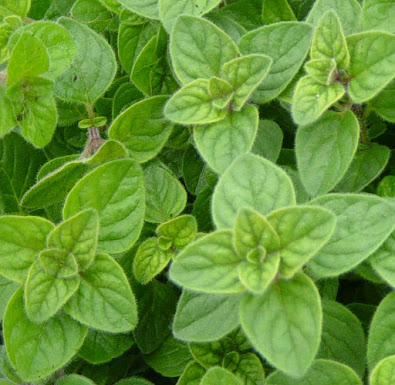
Essential oil of oregano

Oregano (Origanum vulgare) is an aromatic herb belonging to the Lamiaceae family, and commonly occurs throughout Asia, Europe, and northern Africa. It is grown at an altitude of 500-3600 m along roadsides, on hillsides, and in shrublands and grasslands.

The oregano leaves have been added to meat, fish and food products. They are known and used as spices with a thymol/carvacrol type odor in Turkey. Previous studies reported the potential of oregano essential oil to preserve food, such as fresh chicken breast meat, swordfish and octopus.

Origanum essential oil is used as a food additive and also as a fragrance component in cosmetic products. Essential oils are “volatile oils or essences derived from vegetation and characterized by distinctive odors and a substantial measure of resistance to hydrolysis”. The high content of volatile essential oils is responsible for the antimicrobial activity, aroma, and flavor.

Previous studies indicated more than 50% of oregano oil consists of phenolic compounds (primarily carvacrol and thymol). This oil also contains sesquiterpene, terpinene, terpineol alcohol, flavonoids, and other compounds.

These are a complex mixture of different volatile compounds present in aromatic plants in a natural way that, due to their properties and their fragrance, are widely used in cosmetics, in the food industry to improve the taste and the organoleptic properties, and in a variety of household products.

Essential oil of oregano showed a good antioxidant capacity, antimicrobial activity against microorganisms and tyrosinase inhibition activity. In recent years, there have been important studies about the antimicrobial activity of essential oils of aromatic plants and their potential role in food preservation.
Essential oil of oregano

Saturday, December 11, 2021

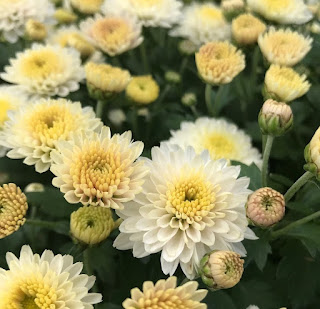
Borneol - bicyclic organic compound in chrysanthemum plant

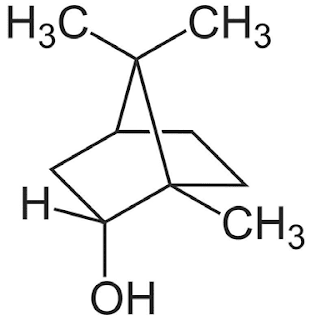
Borneol (C10H18O) is a bicyclic organic compound and a terpene derivative. The hydroxyl group in this compound is placed in an endo position.

Being chiral, borneol exists as two enantiomers. Both (+)-borneol (older name d-borneol) and (−)-borneol (l-borneol) are found in nature. Borneol is described as pungent, bitter, and slightly cold.

Borneol’s sources include natural extracts and artificial synthesis. Natural borneol has been widely used in food, medicine, cosmetics, and other industries.
Borneol is one of the valuable medical material, senior aromatic spices, chemical materials, has been used in food and also folk medicine in China and India.

It is a premium ingredient to treat heart disease, coma and respiratory problems; improve digestive system; relieve pain; and promote relaxation.
Borneol - bicyclic organic compound in chrysanthemum plant 

Monday, September 06, 2021

Nutmeg oil

Nutmeg (Myristica fragrans Houtt.), belonging to the family Myristicaceae, is a spice seed from the fruit of a tropical. The nutmeg tree grows well in the tropical climate, and found on the continents of the America, Asia and Africa.

Nutmeg has a distinctive, pungent fragrance and a warm, slightly sweet taste; it is used to flavor many kinds of baked goods, confections, puddings, meats, sausages, sauces, vegetables, and some beverages such as eggnog. Nutmeg has aromatic, stimulant, narcotic, carminative, astringent, aphrodisiac, hypolipidaemic, antithrombotic, anti-platelet aggregation, antifungal, anti-dysenteric, and anti-inflammatory activities. The spice is used as a remedy for stomach ache, rheumatism, and vomiting during pregnancy.

Nutmeg contains a volatile oil, a fixed oil, proteins, fats, starch, and mucilage. The fixed oil contains myristin and myristic acid. Nutmeg yields 5–15% of volatile oil. The main component of nutmeg essential oil was a hydrocarbon monoterpene (61-88% as α-pinene, β-pinene, sabinene) monoterpenes acid (5-15%), and aromatic ether (2-18% such as myristicin, elemicin, safrole). Nutmeg oil has 37 components and 31.3% was terpinen-4-ol, reported that nutmeg oil has antifungal activity.

Because of its aroma, nutmeg’s essential oil has been used as a natural flavoring extract and as a perfume in the cosmetic industries. In particular, the oil has been used as a flavoring agent, replacing ground nutmeg in order to avoid leaving particles in foods and beverages.

Nutmeg oil is also known for other properties, such as insecticide, fungicide, and antibacterial. In this case, nutmeg essential oil is considered to be a promising biopreservative.
Nutmeg oil

Friday, July 02, 2021

Coriander: Seeds and essential oil

Coriander (Coriandrum sativum L.) – an annual of the Apiaceae family, is one of valuable medicinal, seasoning and oliferous plants.

The leaves and seeds of the plant has been used in traditional medicine for ages to counteract several disorders, such as dysentery, dyspepsia, giddiness spasm, neuralgia, and gastric complaints. C. sativum is useful in food preparation (as a flavoring agent and adjuvant) and preservation as well in preventing food borne diseases and food spoilage.

The seeds, in whole form, or the powder, possessing a mild, sweet, and slight pungent odor, are extensively used as condiments as well in the preparation of curry powder, pickling spices, sausages and seasonings. The seeds are also used as a flavoring agent in different foods namely pastries, cookies, buns, cakes and breads.

The essential oil can be extracted from various parts of plants including the leaves, flowers, stem, seeds, roots and bark; however, the composition of the essential oil can vary among different parts of the same plant.

The seeds of coriander are small, almost ovate globular, approximately 3 to 5 mm in diameter; when dried, are usually brown colored, but in some cases may be offwhite or straw-colored.

The C. sativum oil from fully ripe and dried seeds is a colorless or pale-yellow liquid with a characteristic odor and mild, sweet, warm and aromatic flavor, and linalool is its major constituent. Coriander seed essential oil as well as seed extract possessed antibacterial, antioxidant, anticancer and antimutagenic activities.

Coriander fruit contains about 0.2%–1.5% of volatile oil and 13%–20% of fat oil; however, it has been recorded that some cultivars contain up to 2.6% of volatile oil.

The raw coriander consisted mainly of linalool (72.7%) followed by l-terpinene (8.8%), a pinene (5.5%), camphor (3.7%), limonene (2.3%), geranyl acetate (1.9%) and p-cymene (1.5%). The coriander seed contains plant oil, which is a rich source of the rare monounsaturated isomer of oleic acid, namely petroselinic acid (C18:1n12). The oil composition changes, depending on the maturity of the seed.

Coriander oil has a pleasant odor with odor descriptors, such as floral, turpentine-like, pleasant, green, herbal, cooling, earthy, spicy, sweet, and rose-like.
Coriander: Seeds and essential oil

Friday, May 07, 2021

The essential oil of parsley

Parsley (Petroselinum crispum Mill., family Apiaceae) is a typical seasoning used in the Mediterranean and Middle East regions, and is consumed in large quantities as ingredients in various dishes and food preparations.

Parsley is biennial and glabrous. Its height is 60 to 100 cm, numerous stems grow from one root. Roots are thin or thick fusiform to tuberous and vertical. The leaves are tripinnate and ovate.

Essential oil can be extracted from the leaves and seeds of parsley, which is used as a flavoring agent or fragrance in perfumes, soaps, and creams. Parsley's essential oil obtained from seeds and leaves has medicinal properties as anti-hepatotoxic, anti- hypertensive, anti-coagulant.

In the essential oil of parsley, Phenylpropanoides were the dominant compounds, comprising 52.07% of the oil and consisting mainly of apiole (41.05%) and myristicin (5.08%).

Myristicin and apiol are responsible for its antioxidant activity. α-pinene, sabinene, β-pinene, ρ-cymene, limonene, β-phellandrene, γ-terpinene, myristicin, elemicin, 1-allyl-2,3,4,5-tetramethoxy-benzene, carotol, eugenol and apiol were identified in parsley seed essential oil.
The essential oil of parsley

Monday, April 19, 2021

Cinnamon oil

Essential oils are oily aromatic liquids that are soluble only in organic solvents. The different types of extraction methods used to obtain essential oils, which are solvent extraction, ultrasonic extraction, hydro distillation, shaking and stirring with organic solvents. The most popular physical way to isolate the essential oil is distillation.

Cinnamon oil can be obtained by steam distillation of Cinnamomum zeylanicum (Lauraceae). The bark is composed of approximately 4% volatile oils, which can be extracted by steam distillation. Cinnamon oil can also be distilled from the leaves and twigs, but consists of between 80 and 88% eugenol, which is also the main constituent of clove oil.

The chief chemical component of cinnamon oil is cinnamaldehyde—also known as cinnamic aldehyde— which comprises between 60-90% of cinnamon oil. Other constituents include cinnamyl acetate, cinnamyl alcohol, cuminaldehyde, eugenol, linalool, and pinene.

It is a clear, mobile liquid with a light to dark amber color. It is characterized by a spice-like odor reminiscent of eugenol. At 20°C, its relative density is between 1.037 and 1.053; its refractive index is between 1.527 and 1.540; and its optical rotation ranges from –2.5° to + 2°.

The pleasant aroma of cinnamon oil makes it a very effective to produce an effect to soothe and relax the mind, body and soul.

Cinnamon and cassia have been used since ancient times as flavoring and medicinal ingredients. Cinnamon is mentioned in the Bible as a component of the oil used by Moses for the purpose of anointment (to make a person holy). It has also been used as an ingredient in many ancient Indian medicinal preparations.

Currently, essential oils from C. zeylanicum are widely used in medical field and in aromatherapy. The essential oil of cinnamon contains both antifungal and antibacterial principles that can be used to prevent food spoilage due to bacterial contamination.
Cinnamon oil

Sunday, February 28, 2021

Extraction of essential oil by steam distillation

Essential oils are the collection of hydrophobic secondary metabolites that can be extracted from plants and are used in perfumes, flavorings and alternative medicine techniques such as aromatherapy.

Steam distillation is known to be the most prevalent method of essential oil extraction. The steam is normally generated in a separate boiler and then blown through the botanical material in a still, thus softening the cells and letting the essential oil escape in vaporized form.

The fundamental nature of the process behind the distillation of two heterogenous liquids, such as water and an essential oil, is that each other exerts its own vapor pressure as if the other component were absent.

When combined vapor pressures equal the surrounding pressure, the mixture will boil. Essential oil component, with boiling points normally ranging up to 300° C will thus evaporated.

The steam and essential oil then condensed and separated. Steam distillation of biomass generally yields two products: a relatively high purity essential oil and an aqueous condensate called a hydrosol. The oil consists of hydrophobic, often aromatic compounds that are produced in very small concentrations as secondary metabolites in the plants. The hydrosol also contains secondary metabolites but these compounds are more hydrophilic.
Extraction of essential oil by steam distillation

Friday, February 12, 2021

Citral in lemongrass

Lemongrass is an aromatic plant belonging to the Gramineae family. Botanically, lemongrass is cultivated for its leaves as traditional herbal medicine, spices or refined to obtain its essential oil. It is a tall, clumped perennial grass growing to a height of 1 m. The leaf-blade is linear, tapered at both ends and can grow to a length of 50 cm and width of 1.5 cm.

Oil from lemongrass is one of the most important and widely used essential oils to produce citral oil. Citral is the major constituent of lemongrass essential oil (65-85%).

Lemongrass contains mainly citral and 1 to 2% essential oil on a dry basis. Essential oil and citral of lemongrass were detected to gather at parenchyma tissue cells, specifically in the adaxial surface of leaf mesophyll.

Citral is the name given to a natural mixture of two isomeric acyclic monoterpenes aldehydes: geranial (trans-citral, α-citral) and neral (cis-citral, β-citral).

Normally, one isomer does not occur without the other. In addition to citral, other unusual active components are limonene, citronellal, ß-myrcene and geraniol.

This oil has antibacterial and antifungal activity, analgesic and antispasmodic effects on uterine and intestinal tissue, antiparasitic action, and activity on the central nervous system, as well as being an anxiolytic and sedative, and these therapeutic properties of the compounds are explained by the presence of monoterpenes and myrcene.

Essential oil and citral contents were influenced by factors such as temperature, light intensity, soil moisture, fertilizer, and maturity stage.

Normally, lemongrass oil is extracted by various ways such as the solvent, accelerated solvent, Soxhlet, dense carbon dioxide, solid-phase matrix, and supercritical fluid extraction methods. However, the common procedure of extracting essential oil is by the hydrodistillation method.

Citral oil is widely used in cosmetic flavors and as a raw material for the manufacture of ionons (a synthetic liquid aromatic compound). Besides, due to its strong lemon odor, lemon grass is often used as fragrant in soap, detergent and various technical products.
Citral in lemongrass


Friday, January 22, 2021

Essential oils in food flavor

Flavor substances of natural and synthetic origin have been widely used in human nutrition. Flavor plays an important role in food quality and influences consumers’ satisfaction and food consumption.

Essential oils are secondary metabolites produced by plants for protection against diseases and herbivorous insects.

Essential oils are a mixture of numerous compounds, mainly terpenes, alcohols, acids, esters, epoxides, aldehydes, ketones, amines and sulfides, that are probably produced by plants as a response to stress. Essential oils are extracted from flowers, leaves, fruits, fruit rinds seeds, stems, roots, barks, or resins of various plants.
Over the course of time, and with the benefit of many thousands of species of plants from which to produce them, countless numbers of such flavors and fragrances have found their way via essential oils onto everyday life: into foods and drinks and confectionery items, into products for personal use such as perfumes, deodorants, shampoos, bath lotions, toilets soaps, toothpastes and mouthwashes for example.

Essential oils are the highly concentrated, volatile, aromatic essences of plants. These natural plant oils are appreciated for both their aromatic and flavoring qualities.

Essential oils have been used in foods as flavoring, as well as preserving agents, due to antimicrobial and antioxidant properties. Their main active components are: thymol, carvacrol, eugenol, cinnamaldehyde and linalool.

Many essential oils such as peppermint, lemon and orange are commonly used to flavor desserts, candies and chocolates. Other, more herbal oils, such as thyme and marjoram are better suited for flavoring savory foods such as stews and sauces.

The main limitations of essential oil use in foods are: causing sensory changes in foods (due to their strong odor and flavor and their color, which may taint foods), essential oils from the same plant species presenting a high variability in quality and quantity of bioactive constituents, and such bioactive compounds potentially being lost or reduced by many food processing techniques or even essential oil extraction techniques.

There are five main methods of extraction:
• Expression
• Hydro- or water-distillation.
• Water and steam distillation • Steam distillation
• Solvent extraction

The choice of extraction method will depend on the nature of the material, the stability of the chemical components and the specification of the targeted product.
Essential oils in food flavor

Thursday, January 07, 2021

Essential oil content in lemongrass

Lemongrass is an herb that belongs to the genus Cymbopogon of aromatic grasses and contains essential oil with fine lemon flavour. Generally, three species are identified:
*Cymbopogon flexuosus
*C.flexuosus var.flexuosus
*C.flexuosus var. albescens

Lemongrass present lemony characteristic flavor due to its main content, citral which present great importance to the industry. Citral, a combination of neral and geranial isomers, is used as a raw material for the production of ionone, vitamin A and beta-carotene. Lemongrass oil contains citral at concentrations of approximately 65-85% w/w.
Essential oils are natural products obtained from plants. They were formed by varied and complex volatile mixtures of chemical compounds, with predominance of terpene associated to aldehyde, alcohols and ketone which were deposited in various structure of the plant.

Essential oil and citral of lemongrass were detected to gather at parenchyma tissue cells, specifically in the adaxial surface of leaf mesophyll.

Lemongrass is commonly used in Asian cooking. When Thai food was embraced in the US, lemongrass became a household name. Alittle experimentation with this delightfully fragrant herb is all it takes to realize that it can be used in many more ways than just in Asian dishes. A simple syrup made by steeping lemongrass in a mix of equal parts hot water and sugar can be used to enhance fruit salads or to make home made soda by mixing it with seltzer.
Essential oil content in lemongrass 


Friday, November 06, 2020

Flavor of curry leaves

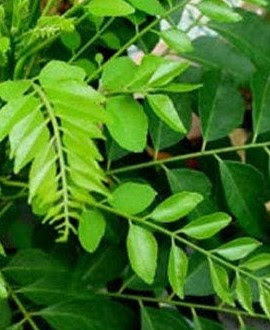
Curry leaves (Murraya koenigii) are a popular leaf-spice used in very small quantities for their distinct aroma due to the presence of volatile oil and their ability to improve digestion.

It belongs to the family Rutaceae (Citrus family) that consists of approximately 150 genera and 1500 species. Curry leaf is an important leafy vegetable. Its leaves are widely used in Indian cookery for flavoring foodstuffs.

Curry leaves is commonly found in the outer Himalayas, from the Ravi eastwards, ascending to 5,000 feet, in Assam, Chittagong, Upper and Lower Burma. It is also found in evergreen and deciduous forests of peninsular India, often as underwood

The leaves have a slightly pungent, bitter and feebly acidic taste, and they retain their flavor and other qualities even after drying. It is an important ingredient in Indian curries owing to its fragrance and aroma. This plant is known to be the richest source of carbazole alkaloids.

The major component responsible for the aroma and flavor has been reported as D-α-pinene, D-sabinene, caryophyllene, D-α-terpinol, cadinol, di-α-phellandrene, dipentene and cadinene.

Essential oils from curry leaves serves as a main component in the production of soap, lotions, massage oils, diffusers, potpourri, air fresheners, body fragrance, perfume oils, aromatherapy products, bath oils, hair treatments, and many more.
Flavor of curry leaves


Monday, July 27, 2020

Lemon peel oil

The most common citrus oil is lemon. The main cultivars used in essential oil production are: Femminello commune, Monachello, Interdonato and Eureka.

Cold expression was used almost exclusively for the production of lemon peel oils. The reason for extracting citrus oils from fruit peel using mechanical methods is the relative thermal instability of the aldehydes contained in them.

Essential oil isolated by cold pressing of peels has a characteristics odor and taste of outer lemon peel part. Major components are limonene (60% - 90%), α- and β-pinene (less than 12%), γ-terpinene ( less than 9%), and citral (geranial and neral, less than 3%).
Lemon peel oil

Thursday, December 05, 2019

Garlic oil flavor

Garlic is one of the most commonly used herbs in the world. It is a member of the onion family and has a strong and characteristic odour, which is different in both fresh and fried state. Allium sativum L., which is commonly known as garlic, belongs to the onion family Alliaceae and is closely related to the onion, shallot, leek, chive, and rakkyo. The plant has-been used as a flavoring agent and a traditional medicine since antiquity, and is now cultivated worldwide.

Garlic has been also proposed as one of the richest sources of total phenolic compounds among the usually consumed vegetables, whereas highly ranked regarding its contribution of phenolic compounds in human diet.

It has a pungent and spicy flavor, which is mainly related to sulfur containing compounds such as allicin, alliin, ajoene, dially disulfide, dithiin and s-allylcysteine.

Oil is one of the three major classes of food substances; the others are protein and carbohydrates. Garlic oils are naturally occurring esters of glycerol and fatty acids that have commercial uses, some oils are called trimester examples are triglycerides or simple glycerides.

It is believed that dially disulfide is an important odour component in the garlic. Allicin is the component responsible for the spiciness in the raw garlic and has powerful antibiotic and antifungal properties.

The essential oils of garlic are shown to be dominated by sulfur-containing compounds, particularly allyl polysulfides. Garlic oils are liquid at room temperature; this is because of the type of fatty acids they contain. In general the more saturated fatty acid oils contain, the more solid it will be and the more unsaturated fatty acid the oils contain the more liquid it will be at room temperature.
Garlic oil flavor

Wednesday, August 15, 2018

Grapefruit peel oil

Citrus is considered the most important fruit in the world and grapefruit has greater value in human diet. Grapefruit (Citrus paradisi) belongs to the Citrus genus, a taxa of flowering plants in the family Rutaceae.

 It is subtropical in origin and well known for its bitter taste (initially cultivated in Jamaica around 18th century and now grown in all parts of the world). It has yellow-orange skin and varies in diameter from 10-15 cm.

The flesh of grapefruit is segmented and acidic, varying in color depending on the cultivars including white, pink and red pulp of different sweetness.

The major classical use of essential oils from grapefruit peels is as natural flavouring materials, which have great commercial importance. Worldwide demand for essential oils, particularly grapefruit oils, is increasing. Peels produce more essential oil than leaves.

The oil extracts obtained had a characteristic light yellow colour. The percentage yield and specific gravity was 0.79% and 0.883 respectively. The oil was soluble in ethanol, methanol and tween 80 solution.

In this oil, 19 components were identified, this amount to 95.26% of the total volatile oil composition and represent six different groups of hydrocarbon namely; monoterpenes, oxygenated monoterpenes, aliphatic aldehydes, aliphatic hydrocarbons, sesquiterpenes and acid esters.

The monoterpene hydrocarbons constituted the most dominant chemical group (86.02%) and among which limonene is most predominant followed by β-myrcene, α-pinene, βphellandrene, 3-carene and nonane.

The essential oils are present in oil sacs or oil glands located at different depths in the peels and cuticles of grapefruit. These essential oils can be obtained mainly by expression or extraction. However, in the commercial production of essential oils from grapefruit plants, cold-pressing methods and hydrodistillation of the peel are the most commonly used techniques.
Grapefruit peel oil

Wednesday, March 14, 2018

Flavor constituents in fennel

Fennel has anise-like, slightly licorice, camphoraceous aroma. The flavor is warm, anisic with a bittersweet aftertaste.

The dried fennel fruit contains about 3-6% of volatile oil. The principal flavor constituents are anethole (50-60%), fenchone (20%), and various terpenes.

There are several varieties of fennel; both common and sweet fennel are grown for their fruits’ essential oil. Sweet fennel is also grown for the thickened bulb-like base of the leaf stems (often called anise), a 3- or 4- inch-wide structure that grows just above the ground.

Sweet fennel oil contains fenchone 1 -25% and anethole 30 -75%. While bitter fennel oil contains fenchone 12 - 25% and anethole 55 - 75%. Fenchones can be regarded as a character –impact of bitter fennel oil.

Fennel oils may contain up to 30% monoterpene hydrocarbons, among which limonene is dominant.
Flavor constituents in fennel

Thursday, February 22, 2018

Galbanum essential oil

Galbanum is a warm, balsamic, earthy and herbal scent with a hint of spice and a piney note. An aromatic gum resin produced from the umbelliferous Persian plant species of the genus ferula, galbanum oil is an “intensely green” aroma.

The galbanum plant belongs to the ferula family of plants originating in Iran, Turkey and Syria. Galbanum oil is steam-distilled to yield a green, fruity-floral odor reminiscent of green apples, sometimes with a piney top note. The perfumery oil is nearly colorless with an intensely green leafy odor with a woody undertone.

Galbanum essential oil is also used to flavor food products like nonalcoholic beverages, confectionaries, baked goods, gelatins and puddings, frozen dairy desserts, snack foods and gravy. Galbanum oil is also use in alcoholic beverages, condiments and relishes, and meat and meat products.
Galbanum essential oil

Monday, August 28, 2017

Galangal roots

Galangal (Alpinia galangal L.), also known as greater galanga, East Indian root, Chinese ginger root, colic root and galingale, is a perennial weed native to Southern China South East Asia and the Indonesia/Malaysian archipelago.

The flavor is somewhat aromatic and camphoraceous and blends well with ginger and other types of spicy/sweet compounds. For this reason, it works well in ginger ale flavors, root beer flavors, and other spicy blends.

The study shows that camphor, cineole (20-30%), and methyl cinnamate (48%) as the major volatile compounds. The essential oil is obtained by steam distillation of dried rhizomes with maximum yields of about 1%. The oil exhibits a fresh, camphor-like odor with a distinct cineole-like top note and a warm undertone of rich and spicy body. The flavor is somewhat bitter at higher concentration.

In processed foods, the oil is the natural choice, because of freedom from contamination and ease of standardization. The oil is also useful in medical preparations.
Galangal roots

Wednesday, April 12, 2017

Coffee bean roasting process

Raw or green coffee has no flavor or aroma and has an unpleasant taste. For use as a beverage, it is roasted, powdered and brewed and the aqueous extract used as a beverage with or without the addition of milk, sugar and other substances.

Coffee beans are usually roasted in large batch dryers, which spin and heat them evenly at temperature that reaches 550 ° F. During roasting process, about 20 percent of the water content of the green beans evaporates and gases are released. In addition, the beans’ starch content is converted to sugar.
Roasting releases the oils and acids that give each coffee its unique flavor. The volatile oils and acids that give coffee is tempting aroma and delicious flavor are developed during the roasting process.

The flavor of roasted coffee, to a large extent depends upon the manner and extent of roasting. The flavor and aroma of coffee are best when it is freshly roasted and deteriorate on standing.

Sucrose which is the most abundant simple carbohydrate present in green coffee, acts as an aroma precursor during roasting, generating several classes of compound, such as carboxylic acids furans, and aldehydes, which will affect the flavor of coffee. Sucrose is found to be destroyed quickly at the early stages of roasting.
Coffee bean roasting process

The most popular articles

WORLD OF NUTRITION SCIENCE RSS

COOKING INGREDIENTS RSS

BannerFans.com