Showing posts with label health. Show all posts

Friday, November 21, 2025

Gingerol and Zingerone: How Processing Shapes Ginger’s Flavor and Health Benefits

Gingerol and zingerone are two naturally occurring compounds that help define both the flavor and the wide-ranging health benefits of ginger. Although they originate from the same root, each compound contributes differently depending on how ginger is prepared. Together, they demonstrate how simple processing techniques—such as cooking, drying, or heating—can transform the chemistry of a common spice into a variety of functional components.

Gingerol is the dominant bioactive compound in fresh ginger and is chiefly responsible for the spice’s signature sharp, spicy bite. Chemically, it is a phenolic ketone with a long hydrocarbon side chain, a structure that underlies its strong antioxidant and anti-inflammatory properties. These characteristics make gingerol one of the most studied components of ginger in modern research. Findings suggest that gingerol may help reduce nausea, including motion sickness and pregnancy-related morning sickness, by interacting with receptors involved in the body’s vomiting reflex. Its anti-inflammatory effects may also support digestion by calming the gastrointestinal tract and reducing irritation. Additionally, emerging studies indicate that gingerol may contribute to heart health by helping to improve circulation and reduce oxidative stress, though these outcomes continue to be explored.

Zingerone, however, is not present in significant amounts in fresh ginger. Instead, it forms when ginger is heated, such as during cooking, drying, or processing. This transformation occurs when gingerol’s side chain shortens through a heat-induced reaction, producing a compound with a milder aroma and a sweeter, warmer flavor often likened to vanilla, caramel, or baking spices. While zingerone also has antioxidant activity, its overall biological effects are gentler than those of gingerol. Research suggests it may help protect cells from oxidative stress and support general gut health by reducing harmful bacterial activity and soothing the digestive system.

In summary, gingerol shapes the sharp flavor and potent health effects of fresh ginger, whereas zingerone develops during heating, offering a softer taste and additional, though milder, benefits. Together, these compounds highlight how preparation methods can influence the chemistry and functionality of natural foods, enhancing both culinary enjoyment and potential wellness effects.
Gingerol and Zingerone: How Processing Shapes Ginger’s Flavor and Health Benefits

Saturday, December 11, 2021

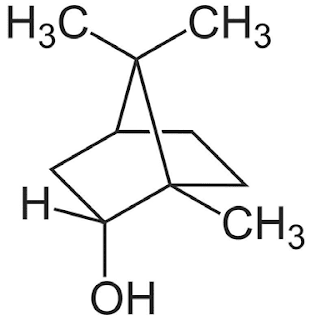
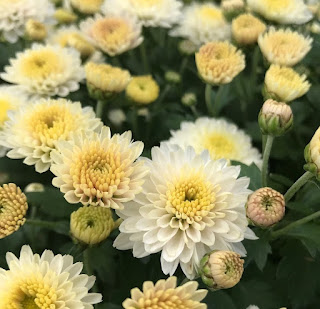
Borneol - bicyclic organic compound in chrysanthemum plant

Borneol (C10H18O) is a bicyclic organic compound and a terpene derivative. The hydroxyl group in this compound is placed in an endo position.

Being chiral, borneol exists as two enantiomers. Both (+)-borneol (older name d-borneol) and (−)-borneol (l-borneol) are found in nature. Borneol is described as pungent, bitter, and slightly cold.

Borneol’s sources include natural extracts and artificial synthesis. Natural borneol has been widely used in food, medicine, cosmetics, and other industries.
Borneol is one of the valuable medical material, senior aromatic spices, chemical materials, has been used in food and also folk medicine in China and India.

It is a premium ingredient to treat heart disease, coma and respiratory problems; improve digestive system; relieve pain; and promote relaxation.
Borneol - bicyclic organic compound in chrysanthemum plant 

Friday, May 07, 2021

The essential oil of parsley

Parsley (Petroselinum crispum Mill., family Apiaceae) is a typical seasoning used in the Mediterranean and Middle East regions, and is consumed in large quantities as ingredients in various dishes and food preparations.

Parsley is biennial and glabrous. Its height is 60 to 100 cm, numerous stems grow from one root. Roots are thin or thick fusiform to tuberous and vertical. The leaves are tripinnate and ovate.

Essential oil can be extracted from the leaves and seeds of parsley, which is used as a flavoring agent or fragrance in perfumes, soaps, and creams. Parsley's essential oil obtained from seeds and leaves has medicinal properties as anti-hepatotoxic, anti- hypertensive, anti-coagulant.

In the essential oil of parsley, Phenylpropanoides were the dominant compounds, comprising 52.07% of the oil and consisting mainly of apiole (41.05%) and myristicin (5.08%).

Myristicin and apiol are responsible for its antioxidant activity. α-pinene, sabinene, β-pinene, ρ-cymene, limonene, β-phellandrene, γ-terpinene, myristicin, elemicin, 1-allyl-2,3,4,5-tetramethoxy-benzene, carotol, eugenol and apiol were identified in parsley seed essential oil.
The essential oil of parsley

Sunday, October 04, 2020

Naringenin In Fruit

Citrus plants are rich source of flavonoids such as naringin, naringenin, nobelitin, narirutin, and hesperidin. Flavorless and colorless naringenin is one of the most important naturally-occurring flavonoid, predominantly found in some edible fruits, like Citrus species and tomatoes, and figs belonging to smyrna-type Ficus carica. Naringenin and its glycoside also has been found in herbs such as Greek oregano, water mint as well as beans. Naringenin also found in cocoa and tomatoes.

This widely distributed molecule in insoluble in water and soluble in organic solvents, like alcohol. Among the flavonoids class, naringenin is a flavanone that derives from naringin or narirutin hydrolysis. Naringin being the bond of a neohesperidose and narirutin a rutinoside. Naringin gives a bitter taste in grapefruit and sour orange.

Naringenin was found to display a broad biological effect on human health, which includes a decrease in lipid peroxidation biomarkers and protein carbonylation, promotes carbohydrate metabolism, scavenges reactive oxygen species, modulates immune system activity, and also exerts anti-atherogenic.

Naringenin also has been shown to possess strong anti-inflammatory effects and antioxidant defenses activities in vitro and in vivo.
Naringenin In Fruit

Tuesday, September 16, 2008

Fructose

Fructose
Of the other natural sugars used by humans, fructose, a monosaccharide is the sweetest and it is the most water soluble of the sugars. It is hygroscopic, making it an excellent humectant when used in baked goods.

The value of humectant in baked food is that it retards their hydration. Solutions of fructose have a low viscosity that results in lower “body” feel than sucrose but in greater flexibility of use over a wide range of temperature. Because of its greater solubility and more effective sweetness than sucrose, fructose is a better alternative to sucrose when very sweet solution are required, as fructose will not crystallize out of solution, whereas sucrose will.

Fructose has sometimes been called the fruit sugar since it occurs in many fruits and berries. It also occurs as a major component in honey, corn syrup, cane sugar, and beet sugar. In fact, sucrose, a disaccharide, is composed of glucose and fructose. Of these two components the glucose moiety cannot be metabolized by diabetics, and it is for this reason that the ingestion of sucrose cannot be tolerated by diabetics.

Fructose, on the other hand, does not require insulin for its metabolism and can, therefore, be used by diabetics with no concern. Its use also appears to reduce the incidence of dental carries. When used with saccharin, it tends to mask the bitter aftertaste of saccharin. As it apparently accelerates the metabolism of alcohol, it has been recommended as a rapid source of energy for athletes and, in combination with gluconate and saccharin, as an economic, effective, safe, low calorie sweetener for beverage.
Fructose

Wednesday, August 16, 2006

Zingerone

Zingerone is principal organic compound responsible for giving ginger its pungent taste. It is a crystalline solid that is sparingly soluble in water, but soluble in ether. Scientific name for zingerone is 4-(4-hydroxy-3-methoxyphenyl)-2-butanone.

It puts the zing in ginger and is also a flavor ingredient in mustard oil. The hydrocarbon tail attached to its vanillin foundation ring doesn't lower the solubility of zingerone much because it contains a carbonyl group (C=O) that can form strong hydrogen bonds with water molecules. Zingerone is sparingly soluble in water, but also freely soluble in fats and oils.

The higher molecular weight of zingerone in combination with the polar side-chain carbonyl group makes zingerone molecules attract each other more strongly than eugenol and vanillin molecules do. As a result, zingerone is less volatile than either eugenol or vanillin. The odor of ginger isn't strong, but the hydrocarbon tail gives it a more intense flavor when it does come into contact with its receptor. Fresh ginger does not contain zingerone; cooking the ginger transforms gingerol, which is present, into zingerone.

Ginger root is a popular folk medicine. Some of the beneficial medicinal qualities claimed for ginger may stem from zingerone's effectiveness as an antioxidant. Zingerone reacts with free radicals that can cause tissue damage and inflammation. Studies by research scientists shows how that a topically applied extract containing zingerone may help prevent some skin cancers.
Zingerone

The most popular articles

WORLD OF NUTRITION SCIENCE RSS

COOKING INGREDIENTS RSS

BannerFans.com